
Blogs
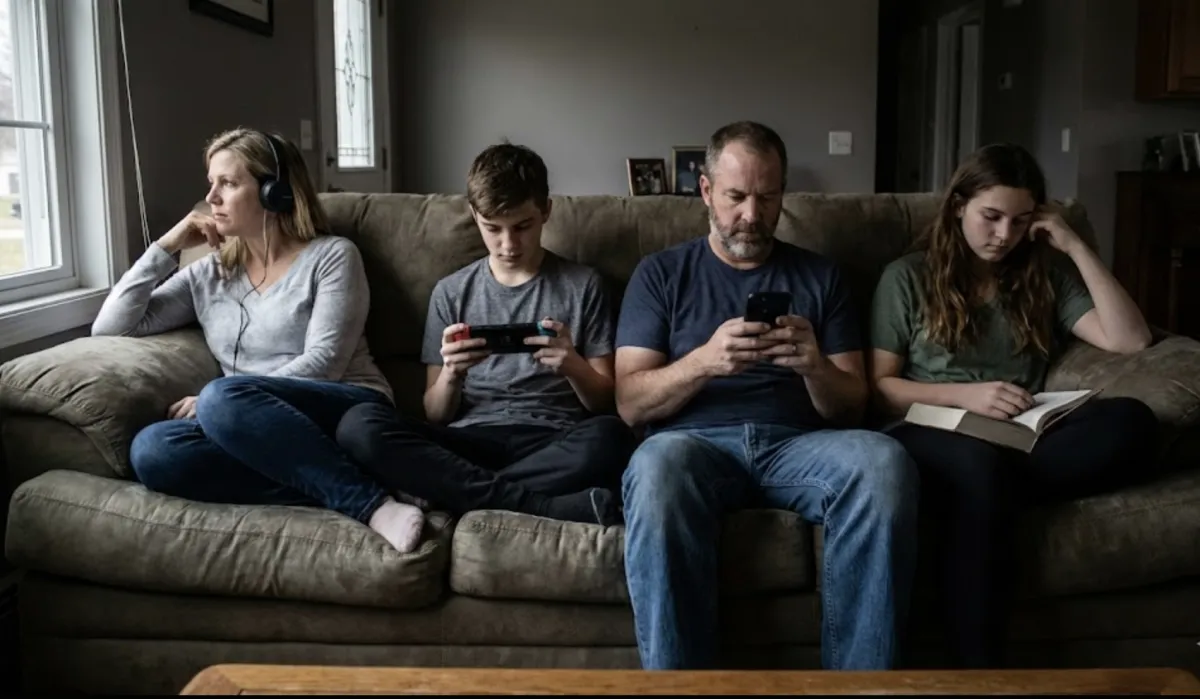
The Silent House: How Emotional Withdrawal Shapes High-Conflict Homes
The Silent House: Understanding Emotional Withdrawal in High-Conflict Homes
In homes where conflict and pressure are constant companions, silence often becomes the loudest presence. This silence isn’t peaceful; it’s loaded. It’s the quiet that follows arguments, the stillness after harsh words, the invisible wall that keeps family members from truly connecting. Psychologists and relationship coaches often call this emotional withdrawal, and it’s a coping mechanism that can silently shape the lives of everyone in the household.
What Is Emotional Withdrawal?
Emotional withdrawal is when family members, often subconsciously, pull away from expressing feelings, needs, or thoughts. In high-conflict or high-pressure homes, it’s a survival strategy. Children might retreat into their rooms, parents may focus exclusively on tasks, and partners may avoid confrontation altogether. While it may reduce immediate tension, the long-term cost is high: disconnection, loneliness, and misunderstandings that quietly erode relationships.
Signs You’re Living in a “Silent House”
Recognizing the signs is the first step toward change. Some common indicators include:
Avoidance of conversations: Family members speak only when necessary and avoid sharing personal thoughts or feelings.
Physical and emotional distance: People occupy the same space but rarely interact in a meaningful way.
Heightened anxiety or tension: Silence may feel heavy, uncomfortable, or even threatening.
Outbursts after long periods of quiet: Suppressed emotions eventually erupt in arguments or passive-aggressive behavior.
Emotional numbing in children: Kids may appear withdrawn, overly compliant, or exceptionally self-reliant.
Why Emotional Withdrawal Happens
High-conflict homes often create a pattern where expressing emotion feels unsafe. Children learn that:
Showing vulnerability can trigger anger.
Opinions may be dismissed or criticized.
Avoiding conflict keeps them “safe.”
Adults, on the other hand, may withdraw to protect themselves from repeated fights, maintain control over a volatile environment, or simply cope with stress. Over time, these patterns become ingrained, shaping not just daily interactions but the emotional wiring of everyone in the house.
The Hidden Cost of Silence
While emotional withdrawal may seem protective, it comes with consequences:
Strained relationships: Lack of communication erodes intimacy and trust.
Mental health challenges: Anxiety, depression, and low self-esteem often accompany prolonged emotional distance.
Perpetuated patterns: Children who grow up in silent homes may replicate the same avoidance behaviors in their adult relationships.
How to Begin Breaking the Silence
Transforming a high-conflict, emotionally withdrawn home isn’t about forcing conversations or quick fixes—it’s about creating a safe space for authentic connection. Some practical steps include:
Start small: Share simple thoughts or feelings with a partner or child without expecting immediate change.
Validate emotions: Acknowledge feelings rather than dismissing or arguing. “I hear you” goes a long way.
Establish boundaries: Protect yourself from destructive conflict while still maintaining openness.
Seek professional support: Coaches, therapists, and counselors can guide families through rebuilding emotional safety.
Moving from Silence to Connection
The first step is noticing the silence and naming it. The next is responding consciously rather than reacting habitually. Emotional withdrawal in high-pressure homes isn’t a sign of failure—it’s a survival mechanism. But like all patterns, it can change when individuals commit to awareness, regulation, and intentional connection.
Breaking the cycle transforms the house from silent and tense to one that feels alive, safe, and emotionally present. Connection is possible, even in homes where silence once ruled.

Handcrafted by Coach Foundation | Copyright © 2023 Swati Mukherjee's Coaching. All Rights Reserved.